
A cracked molar, a root-canal-treated tooth, or years of enamel wear can leave you searching for one answer: how do I fix this tooth without losing it? For thousands of patients across Dhaka every year, the answer is a dental crown — sometimes called a “tooth cap” — a custom-made covering that restores a damaged tooth’s shape, strength, and appearance.
If you have been Googling “dental crown price in Bangladesh,” “tooth cap cost in Dhaka,” or “best dental crown clinic near me,” this guide covers everything you need before you sit in the dentist’s chair: what a crown actually does, the different types available in Bangladesh, the step-by-step procedure, realistic 2026 pricing, and how to choose a clinic you can trust.
What Is a Dental Crown?
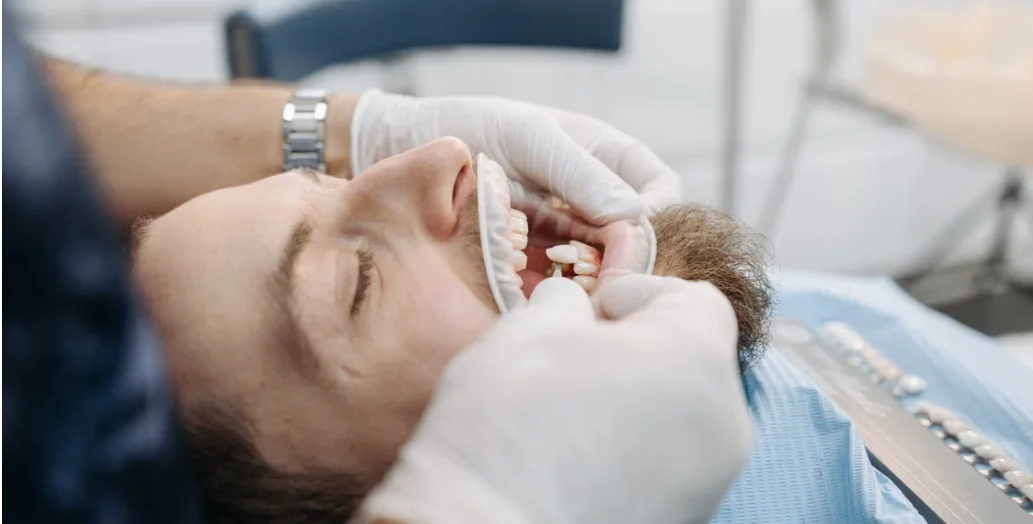
A dental crown is a tooth-shaped cap that is cemented over an existing tooth (or a dental implant) to restore its size, strength, shape, and appearance. Unlike a filling, which repairs a small area of decay, a crown covers the entire visible portion of the tooth above the gumline. Dentists commonly recommend a crown when a tooth is too damaged for a filling but not damaged enough to require extraction.
Crowns are one of the most frequently performed restorative procedures in modern dentistry because they solve two problems at once: they protect a weakened tooth from further breakage, and they restore a natural-looking bite and smile. This is why a crown is often paired with treatments like root canal therapy, where the tooth is hollowed out to remove infection and then needs a strong outer shell to survive daily chewing forces.
When Do You Need a Dental Crown?
Not every damaged tooth needs a crown, but your dentist may recommend one in the following situations:
- After a root canal treatment, since the tooth becomes brittle once the nerve is removed.
- To protect a weak tooth from cracking due to decay, an old large filling, or grinding (bruxism).
- To restore a tooth that is already broken, fractured, or severely worn down.
- To cover a dental implant, completing the restoration after an implant procedure.
- To hold a dental bridge in place, anchoring it to the surrounding natural teeth.
- For cosmetic reasons, such as covering a badly discolored or misshapen tooth, sometimes as part of a broader smile designing plan.
- In children, occasionally to protect a badly decayed primary tooth as part of pediatric dental treatment.
If you are experiencing sensitivity, visible cracks, or pain when chewing, it’s worth booking a consultation rather than waiting, since untreated cracks can extend below the gumline and make the tooth harder to save.
Types of Dental Crowns Available in Bangladesh
Dental technology in Bangladesh has advanced significantly, and most reputable clinics in Dhaka — including multi-branch clinics serving areas like Mohammadpur, Banani, Dhanmondi, and Gulshan — now offer a full range of crown materials. Here is how the major types compare.
1. Zirconia Crowns
Zirconia is the most popular premium crown material in Bangladesh today. It is extremely strong, biocompatible, and can be shaded to match natural teeth almost seamlessly, making it a favorite for both front and back teeth.
- Pros: Very durable, metal-free, natural aesthetics, good for patients with metal allergies.
- Cons: Higher cost compared to PFM crowns.
- Best for: Front teeth, patients wanting a long-term, aesthetic solution, and molars that bear heavy chewing load.
2. Porcelain-Fused-to-Metal (PFM) Crowns
PFM crowns combine a metal substructure for strength with a porcelain outer layer for a tooth-like appearance. They have been a dependable workhorse in restorative dentistry for decades.
- Pros: Strong, reasonably priced, widely available.
- Cons: A thin dark line can sometimes show at the gumline over time; slightly less translucent than all-ceramic options.
- Best for: Molars and premolars where strength matters more than maximum aesthetics.
3. All-Ceramic / Porcelain Crowns
These crowns are made entirely from ceramic material without a metal base, offering the closest match to natural tooth translucency.
- Pros: Excellent aesthetics, biocompatible, no metal visible at the gumline.
- Cons: Can be less impact-resistant than zirconia in high-bite-force areas.
- Best for: Front teeth and visible areas where appearance is the priority.
4. Metal / Stainless Steel Crowns
Typically used as a temporary or transitional solution, especially in pediatric dentistry for primary teeth.
- Pros: Very affordable, fast to fit, extremely durable.
- Cons: Not aesthetic — metallic color is visible.
- Best for: Back teeth in children, or as a temporary fix before a permanent crown is placed.
5. Temporary Crowns
Made from acrylic or composite resin, these are placed while your permanent crown is being custom-fabricated, usually over 3–10 days.
- Pros: Protects the prepared tooth immediately.
- Cons: Not meant for long-term use.
A qualified dentist will help you choose the right material based on the tooth’s location, your budget, bite force, and aesthetic goals — this is exactly the kind of assessment covered during an in-person consultation.
Step-by-Step Dental Crown Procedure
Understanding the process can ease a lot of the anxiety around getting a crown. Here is what typically happens across two visits.
Step 1: Consultation and Diagnosis
Your dentist examines the tooth, may take an X-ray to check the root and surrounding bone, and discusses which crown material suits your case and budget. If the tooth has an infection, a root canal may need to be completed first.
Step 2: Tooth Preparation
The dentist administers local anesthesia and reshapes the tooth by removing a thin outer layer of enamel, creating space for the crown to fit naturally over it without feeling bulky.
Step 3: Impression or Digital Scan
An impression (physical mold or digital intraoral scan) is taken of the prepared tooth and the surrounding teeth. This is sent to a dental lab to fabricate a crown that fits precisely.
Step 4: Temporary Crown Placement
While the permanent crown is being made, a temporary crown is cemented in place to protect the tooth and allow you to eat and speak comfortably.
Step 5: Fitting the Permanent Crown
At your follow-up visit, the temporary crown is removed, and the permanent crown is checked for fit, shape, and color match. Minor adjustments are made before it is permanently cemented into place.
Step 6: Final Check and Bite Adjustment
The dentist checks your bite to ensure the crown does not sit too high, which could cause discomfort or premature wear.
The entire process, from preparation to final placement, generally takes two visits spaced a week or so apart, unless a same-day CAD/CAM crown system is available.
Dental Crown vs. Other Restorative Options
Patients often confuse crowns with other treatments. Here is a quick comparison:
| Treatment | Best For | Coverage |
| Filling | Small to moderate cavities | Partial tooth surface |
| Crown | Severely damaged or root-canal-treated teeth | Entire visible tooth |
| Veneer | Cosmetic front-tooth improvements | Front surface only |
| Bridge | Replacing one or more missing teeth using adjacent teeth as anchors | Spans a gap |
| Implant + Crown | Replacing a missing tooth with a standalone artificial root | Full tooth replacement |
If your concern is purely cosmetic and the tooth structure is otherwise healthy, a veneer or teeth whitening treatment might be a more conservative option than a full crown.
Benefits of Dental Crowns
- Restores strength to a tooth weakened by decay, fracture, or root canal treatment.
- Prevents further damage by sealing cracks and covering exposed dentin.
- Improves appearance with a natural-looking, properly shaped and shaded tooth.
- Restores normal chewing function so you can eat comfortably again.
- Long-lasting, with well-maintained crowns often lasting 10–15 years or longer.
- Protects investment in other treatments, such as implants and root canals, by providing durable coverage.
Dental Crown Cost in Bangladesh (2026 Estimate)
Crown pricing in Bangladesh varies based on material, the clinic’s location, the dentist’s experience, and lab quality. As a general 2026 market guide:
- Stainless steel / temporary crowns: Lowest cost bracket, typically used short-term or for pediatric cases.
- Porcelain-fused-to-metal (PFM) crowns: Mid-range pricing, a popular choice for back teeth.
- All-ceramic / porcelain crowns: Higher than PFM due to aesthetic material and lab work.
- Zirconia crowns: Premium pricing, reflecting material strength and durability.
Because prices genuinely shift with lab costs and imported material rates, it’s best to get a written estimate during a physical consultation rather than relying on numbers found online. For a detailed, itemized breakdown of current dental pricing in Dhaka, see this related guide on dental treatment cost in Banani, Dhaka, or ask about bundled options in the treatment packages page.
Factors That Affect Crown Price
- Material chosen — zirconia and ceramic cost more than PFM or metal.
- Number of teeth needing crowns — bridges and multi-unit cases affect total cost.
- Additional procedures required — such as a root canal or gum treatment before crown placement.
- Clinic technology — digital scanning and CAD/CAM systems may affect turnaround time and pricing.
- Dentist’s expertise — specialists with advanced training in prosthodontics may price differently than general practitioners.
How Long Do Dental Crowns Last, and How Do You Care for Them?
With good oral hygiene, a well-fitted crown can last well over a decade. To extend its lifespan:
- Brush twice daily and floss around the crown margin carefully.
- Avoid biting down on very hard foods (ice, hard candy, bones) with the crowned tooth.
- Wear a night guard if you grind your teeth.
- Attend regular check-ups every six months so your dentist can monitor the crown margin and underlying tooth.
- Watch for signs of trouble — sensitivity, a loose feeling, or a visible gap at the gumline — and get it checked promptly rather than waiting.
How to Choose the Right Dental Clinic for a Crown in Dhaka
Because a crown is a long-term investment in your oral health, the clinic and dentist you choose matter as much as the material itself. Keep these points in mind:
- Verify the dentist’s BMDC registration. Every licensed dentist in Bangladesh must be registered with the Bangladesh Medical and Dental Council.
- Ask about lab quality. Where is the crown fabricated, and what quality-control checks are in place?
- Check the range of services. A clinic offering root canal, orthodontic treatment, and prosthodontics under one roof can manage complex cases more smoothly than a single-service provider.
- Look at hygiene and sterilization protocols.
- Read patient reviews and ask about the dentist’s specific experience with crown and bridge work.
- Consider location and follow-up convenience — crown treatment usually needs at least two visits, so a clinic near your home or workplace (in areas such as Banani, Gulshan, Baridhara, Niketon, Bashundhara, Mohakhali, DOHS, Adabar, Dhanmondi, Lalmatia, Mohammadpur, or Shyamoli) can save you time.
Why Patients in Dhaka Choose Novodent Dental Clinic for Crowns
Novodent Dental Clinic has been providing restorative and cosmetic dental care in Dhaka for 17+ years, with branches serving Mohammadpur and Banani. The clinic’s team, led by Chief Consultant Dr. Khan Nadima Shafi (BDS, DU; PGT in Conservative Dentistry and Endodontics, BMU), combines advanced training in implantology, endodontics, and digital dentistry with a patient-first approach to treatment planning.
Patients considering a crown at Novodent benefit from:
- A full diagnostic workup before any treatment is finalized.
- A choice of crown materials suited to the tooth’s location and your budget.
- Combined expertise across dental implants, root canal therapy, and cosmetic dentistry, useful for patients who need more than one procedure.
- Convenient branches for patients from Dhanmondi, Lalmatia, Shyamoli, Adabar, Gulshan, and Bashundhara, among other areas.
- Transparent pricing with no hidden costs, and flexible payment options for eligible treatments.
You can browse the full range of treatments on the services page, read more patient-focused guides on the blog, or get in touch through the contact page if you have questions before booking.
Frequently Asked Questions
Is getting a dental crown painful? No. The tooth preparation is done under local anesthesia, so the procedure itself is not painful. Mild sensitivity for a day or two afterward is normal and manageable with over-the-counter pain relief if needed.
How many visits does a crown take? Typically two visits: one for preparation and temporary crown placement, and a second, about a week later, for fitting the permanent crown.
Can a crown be placed on the same day? Some clinics with digital CAD/CAM systems can fabricate crowns in a single visit, though the traditional two-visit lab-made process remains the most common approach in Bangladesh.
Do crowns look natural? Yes, especially zirconia and all-ceramic crowns, which are shade-matched to your surrounding teeth for a seamless appearance.
What happens if I ignore a cracked tooth instead of getting a crown? The crack can worsen, potentially leading to infection, root canal treatment, or even tooth loss. Early treatment is almost always simpler and less costly than delayed treatment.
Will insurance or EMI plans cover a dental crown in Bangladesh? Coverage depends on your individual health insurance policy. Many clinics, including Novodent, offer EMI facilities with selected banks for eligible treatments — it’s worth asking during your consultation.
Final Thoughts
A dental crown is one of the most reliable ways to save a damaged tooth, restore full chewing function, and bring back your natural smile. The right choice of material and an experienced dental team make the biggest difference in how long your crown lasts and how natural it looks.
If you are dealing with a cracked, root-canal-treated, or heavily worn tooth, don’t wait for the problem to get worse. Book an appointment with Novodent Dental Clinic today for a personalized crown consultation, or explore more oral health guides to keep learning before your visit.