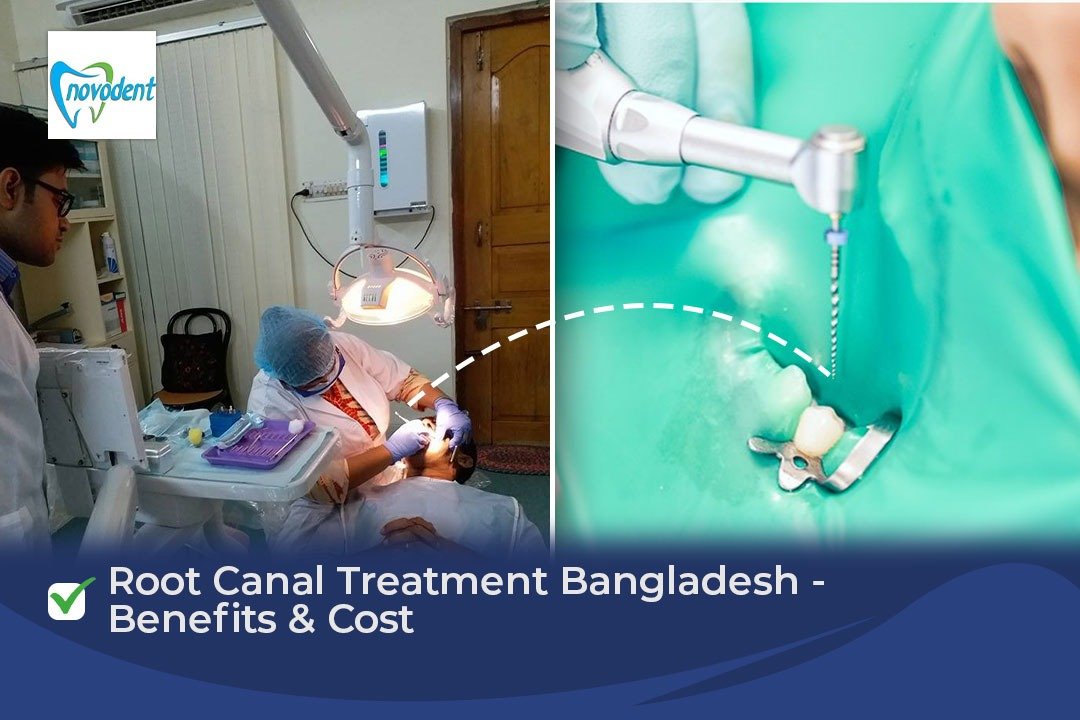

Dental health in Bangladesh has historically been an overlooked aspect of overall healthcare. According to various surveys, a significant portion of the Bangladeshi population suffers from some form of tooth decay or gum disease — yet many delay or completely avoid treatment due to fear, misinformation, and cost concerns.
One of the most misunderstood dental procedures is the Root Canal Treatment (RCT). The mere mention of "root canal" sends shivers down the spine of most patients. But the reality? Modern root canal therapy is no more uncomfortable than getting a routine filling — and it can save a tooth that would otherwise be lost forever.
This comprehensive guide explores everything you need to know about root canal treatment in Bangladesh — from the biology of why it's needed, to what the procedure actually involves, what it costs across different cities, how to choose the right specialist, and how to take care of your tooth afterward.
Understanding the Tooth — A Quick Biology Lesson
To understand why root canal treatment is necessary, you first need to understand the structure of a tooth.
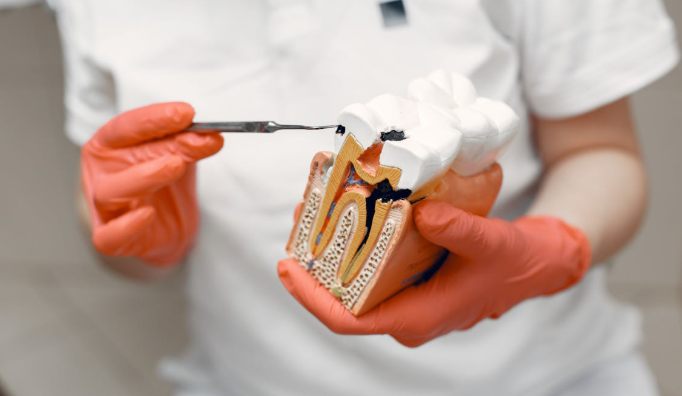
A tooth is not a solid piece of bone. It has multiple layers:
- Enamel — The hard, outermost white layer that protects the tooth.
- Dentin — A softer, yellowish layer beneath the enamel. More sensitive and porous.
- Pulp — The innermost soft tissue containing blood vessels, nerves, and connective tissue. It runs from the crown of the tooth down through the root canals all the way into the jawbone.
- Root Canals — The narrow channels inside the root(s) of the tooth that house the pulp tissue.
- Cementum — A thin layer covering the root surface.
- Periodontal Ligament — Fibrous tissue anchoring the tooth to the jawbone.
When you're young and your tooth is developing, the pulp is critical — it nourishes and forms the tooth. But once the tooth is fully formed, the pulp becomes non-essential. The tooth can survive perfectly well without it, receiving nutrients from surrounding tissues.
This is the key insight behind root canal therapy: you can remove the infected pulp, clean the canals, and the tooth can continue to function normally for decades.
What Is Root Canal Treatment?
Root Canal Treatment (RCT), formally known as Endodontic Therapy, is a dental procedure that involves:
- Removing the infected or inflamed pulp from inside the tooth
- Thoroughly cleaning, disinfecting, and shaping the root canals
- Filling and sealing the canals to prevent re-infection
- Restoring the tooth, usually with a dental crown
The word endodontic comes from the Greek endo (inside) and odont (tooth) — literally "inside the tooth."
Why Does the Pulp Get Infected?
The pulp can become infected or inflamed due to several reasons:
A. Deep Tooth Decay (Dental Caries)
This is the most common cause. When tooth decay is left untreated for too long, bacteria eat through the enamel and dentin and eventually reach the pulp. Once bacteria invade the pulp, infection sets in rapidly.
B. Cracked or Fractured Tooth
A crack in the tooth — even a hairline fracture — creates a pathway for bacteria to enter the pulp. This can result from biting hard foods, dental trauma, or teeth grinding (bruxism).
C. Repeated Dental Procedures
Teeth that have undergone multiple fillings, crowns, or other procedures may become more susceptible to pulp inflammation over time due to cumulative trauma to the tooth.
D. Physical Trauma
A direct blow to the mouth — from an accident, fall, or sports injury — can damage the pulp even if the tooth doesn't visibly crack. The blood supply to the pulp may be disrupted, causing the tissue to die (necrosis).
E. Faulty Dental Restorations
Old, ill-fitting fillings or crowns that leak can allow bacteria to seep in and infect the pulp over time.
Signs and Symptoms You May Need a Root Canal
Many patients ignore dental pain hoping it will go away. This is dangerous. Here are the warning signs that indicate you may need root canal treatment:
Classic Symptoms:
- Severe, throbbing toothache — particularly when chewing, biting, or pressing on the tooth
- Prolonged sensitivity to heat or cold — lasting more than 30 seconds after the stimulus is removed
- Spontaneous pain — pain that comes without any trigger, often worse at night
- Darkening of the tooth — a sign the pulp has died and blood has broken down inside
- Swollen, tender gums near the affected tooth
- A persistent pimple or bump on the gum (called a sinus tract or fistula) — this is where pus drains from the abscess
- Bad taste in the mouth — from draining infection
Silent Cases (No Pain):
Sometimes a pulp dies slowly and the patient feels no pain at all. This is called a necrotic pulp with chronic infection. The dentist may discover it on an X-ray as a dark shadow (periapical abscess) at the tip of the root. These cases still require RCT — silence doesn't mean the infection is gone.
If you're experiencing any of these symptoms in Bangladesh — don't wait. Visit a dentist immediately. Delaying treatment allows the infection to spread to the jawbone, surrounding teeth, and in severe cases, the bloodstream (sepsis).
The Complete Step-by-Step Root Canal Procedure
Understanding exactly what happens during RCT demystifies the procedure and reduces anxiety. Here's what to expect:
Step 1: Diagnosis and Treatment Planning
The dentist takes a detailed history and performs a clinical examination. A periapical X-ray (or in complex cases, a CBCT scan — 3D dental imaging) is taken to:
- Confirm pulp infection
- Identify the number and shape of root canals
- Detect bone loss around the root tip
- Plan the treatment
Step 2: Local Anaesthesia
A local anaesthetic (usually lidocaine or articaine) is injected near the tooth. Within minutes, the area is completely numb. You will feel no pain during the procedure. Modern anaesthetics are highly effective — even for severely infected teeth.
Step 3: Rubber Dam Placement
A small sheet of rubber (rubber dam) is placed around the tooth to isolate it from saliva and bacteria. This is a critical infection-control step that many patients aren't aware of. It keeps the working area clean and prevents you from accidentally swallowing any instruments or irrigating solutions.
Step 4: Access Opening (Coronal Access)
Using a dental drill, the dentist creates a small access hole in the top of the tooth (or the back surface for front teeth) to reach the pulp chamber underneath.
Step 5: Pulp Removal and Canal Exploration
Thin, flexible instruments called files are used to remove the infected pulp tissue. The dentist identifies all canal openings and measures their length using an apex locator (an electronic device) or by taking an X-ray with a file in place. This ensures the canals are cleaned all the way to the root tip without going beyond.
Step 6: Canal Shaping (Instrumentation)
The canals are progressively widened and shaped using a series of hand files or rotary NiTi (nickel-titanium) instruments — flexible, motorised files that efficiently clean curved canals. Modern rotary instrumentation is faster and more precise than older hand-filing techniques.
Step 7: Irrigation and Disinfection
Throughout shaping, the canals are copiously irrigated with:
- Sodium hypochlorite (NaOCl) — dissolves organic tissue and kills bacteria
- EDTA solution — removes the smear layer from canal walls
- Sometimes chlorhexidine for final disinfection
This irrigation step is crucial — studies show it significantly reduces bacterial counts and improves treatment outcomes.
Step 8: Canal Drying
The canals are dried using paper points (tiny absorbent paper cones inserted into each canal).
Step 9: Canal Obturation (Filling)
The cleaned, shaped, and dried canals are filled with gutta-percha — a rubber-like, biocompatible material that has been used in dentistry for over 150 years. It's shaped to fit the canals precisely and is used along with a root canal sealer (a paste that fills any gaps between the gutta-percha and canal walls).
Common obturation techniques include:
- Cold lateral condensation — traditional, reliable method
- Warm vertical compaction (System B) — uses heated gutta-percha for a denser fill
- Single cone technique with bioceramic sealers — faster and increasingly popular
Step 10: Coronal Restoration
After filling the canals, the access opening is sealed with a temporary or permanent filling. In most cases, a dental crown is recommended — especially for back teeth (molars and premolars) which bear heavy chewing forces. The crown protects the weakened tooth from fracture and restores full function.
Single-Visit vs. Multi-Visit RCT
Single-Visit RCT
Modern endodontics has made single-visit RCT (completing everything in one appointment) increasingly common for teeth with:
- Vital (living) pulp
- No acute abscess
- Uncomplicated canal anatomy
Advantages: Less time, fewer appointments, no risk of inter-appointment contamination, lower cost sometimes.
Multi-Visit RCT (2–3 Sessions)
For heavily infected teeth with abscesses, complex anatomy, or calcified canals, multi-visit treatment is preferred. Between visits, an antimicrobial paste (calcium hydroxide) is placed inside the canals to reduce bacteria before final filling.
In Bangladesh, most private clinics offer both approaches depending on clinical need. Government hospitals may default to multi-visit due to patient load.
Benefits of Root Canal Treatment — A Deep Dive
1. Saves the Natural Tooth — Irreplaceable Value
Nothing in modern dentistry can fully replicate your natural tooth. Even the best dental implant cannot match the sensory feedback, bone preservation, and long-term stability of your original tooth. Once a tooth is extracted, the jawbone underneath begins to resorb (shrink) — a process that permanently alters your facial structure over time.
RCT preserves your natural tooth, preserves the bone, and maintains the alignment of surrounding teeth.
2. Complete Pain Elimination
The persistent toothache from an infected pulp — often described as one of the worst pains a human being can experience — is permanently eliminated after RCT. The source of pain (the infected nerve tissue) is removed. Most patients report feeling dramatically better even within 24–48 hours after treatment.
3. Stops Infection from Spreading
A dental abscess is not a minor issue. The infection can spread:
- Into the jawbone — causing osteomyelitis (bone infection)
- Into the neck and throat — causing Ludwig's angina, a life-threatening condition
- Into the bloodstream — causing septicemia (blood poisoning)
- Into the sinuses — causing chronic sinusitis from upper molar infections
RCT stops the infection completely by removing all infected tissue and sealing the tooth.
4. Restores Full Function
After treatment and crown placement, you can eat, chew, bite, and speak completely normally. The restored tooth looks and functions just like a natural, healthy tooth. No dietary restrictions, no special maintenance.
5. Cost-Effective Compared to Alternatives
Consider the alternatives to RCT:
| Option | Short-term Cost | Long-term Cost | Drawbacks |
| Root Canal + Crown | Moderate | Low | None significant |
| Tooth Extraction only | Low | High | Bone loss, shifting teeth |
| Extraction + Bridge | High | Moderate | Adjacent teeth ground down |
| Extraction + Implant | Very High | Low | Long healing time, surgery |
RCT is almost always the most cost-effective, health-preserving option.
6. Improves Overall Health
Research links untreated dental infections to increased risk of heart disease, diabetes complications, and adverse pregnancy outcomes. Eliminating oral infections through RCT contributes to better overall systemic health.
7. High Predictability and Success Rate
RCT performed by a skilled endodontist has a success rate of 85–97%. With proper crown placement and oral hygiene, treated teeth often last a lifetime. Even when initial treatment fails, re-treatment (re-RCT) is often possible.
Root Canal Treatment Costs in Bangladesh — Detailed Breakdown
Cost varies based on several factors:
Factors Affecting RCT Cost in Bangladesh:
- Type of tooth: Front teeth have 1 canal; premolars have 1–2; molars have 3–4. More canals = higher cost.
- Severity of infection: Complex, chronic cases with calcified canals or curved roots take more time and expertise.
- Clinic type: Government hospital vs. private clinic vs. specialist endodontist.
- Technology used: Digital X-ray, CBCT, rotary instruments, operating microscope — all add precision but may increase cost.
- Location: Dhaka (Gulshan, Banani, Dhanmondi) commands higher prices than Sylhet, Rajshahi, or Khulna.
- Specialist qualification: A general BDS dentist vs. an MDS Endodontist may differ in price significantly.
Detailed Cost Table (2024–2025 Estimates):
| Treatment | Govt. Hospital | Private Clinic | Specialist Endodontist |
| Consultation + X-ray | ৳ 100–500 | ৳ 500–1,500 | ৳ 1,000–2,000 |
| RCT – Incisor (1 canal) | ৳ 500–1,500 | ৳ 3,000–6,000 | ৳ 5,000–10,000 |
| RCT – Premolar (2 canals) | ৳ 800–2,000 | ৳ 4,000–8,000 | ৳ 7,000–12,000 |
| RCT – Molar (3–4 canals) | ৳ 1,000–3,000 | ৳ 6,000–12,000 | ৳ 10,000–18,000 |
| Metal-Ceramic Crown | ৳ 2,000–4,000 | ৳ 4,000–8,000 | ৳ 6,000–10,000 |
| Full Ceramic/Zirconia Crown | N/A | ৳ 8,000–20,000 | ৳ 12,000–25,000 |
| Total (Molar RCT + Crown) | ৳ 3,000–7,000 | ৳ 10,000–20,000 | ৳ 20,000–40,000 |
International Comparison:
| Country | Molar RCT + Crown (Approx.) |
| Bangladesh | ৳ 10,000–40,000 (~$90–$360) |
| India | ₹ 8,000–25,000 (~$100–$300) |
| United Kingdom | £800–£1,500 (~$1,000–$1,900) |
| United States | $1,200–$2,500 |
| Australia | AUD 1,500–3,000 |
Bangladesh offers world-class quality at a fraction of Western prices — making it a growing destination for dental tourism from the UK, USA, and Middle East among the Bangladeshi diaspora.
Government vs. Private Dental Care for RCT in Bangladesh
Government Hospitals
Pros:
- Extremely low cost — accessible to low-income patients
- Qualified dentists (BDS minimum requirement)
- DGDA-regulated medications and materials
Cons:
- Long waiting times
- High patient volume may limit time per patient
- May lack advanced technology (rotary systems, CBCT)
- Less consistency in materials quality
Best Government Options:
- Dhaka Dental College & Hospital, Mirpur
- Sir Salimullah Medical College & Mitford Hospital Dental Unit
- Shaheed Suhrawardy Medical College Hospital Dental Department
- BSMMU (Bangabandhu Sheikh Mujib Medical University) Oral & Maxillofacial Dept.
Private Clinics and Hospitals
Pros:
- Modern equipment (digital X-ray, rotary NiTi, apex locators)
- Shorter waiting times
- More time dedicated per patient
- Better patient comfort and privacy
- Some offer CBCT scanning for complex cases
Cons:
- Significantly higher cost
- Quality varies — not all private clinics maintain equal standards
Reputable Private Options:
- Square Hospital Dental Department, Panthapath
- Apollo Hospitals Dhaka, Bashundhara
- United Hospital Dental Unit, Gulshan
- Ibn Sina Hospital Dental Unit (multiple branches)
- Popular Medical Centre Dental Department
- Medinova Medical Services Dental Unit
Specialist Endodontists in Private Practice
For complex cases (calcified canals, curved roots, retreatment, failed RCTs), seeking a specialist MDS Endodontist is strongly advised. They use operating microscopes and advanced rotary systems for significantly better outcomes.
How to Choose the Right Dentist for Root Canal Treatment
Not all dentists are equally trained for RCT. Here's how to make a smart choice:
Check Qualifications
- BDS (Bachelor of Dental Surgery) — minimum qualification to practice dentistry in Bangladesh
- MDS in Conservative Dentistry & Endodontics — specialist qualification; preferred for complex cases
- Fellowship/Training from abroad — indicates advanced skills
- Registration with Bangladesh Dental Council (BDC) — mandatory for legal practice
Ask the Right Questions
Before agreeing to treatment, ask:
- Do you use rotary instruments or hand files?
- Do you use rubber dam isolation?
- How many root canals does my tooth have?
- How many visits will it take?
- What type of crown do you recommend and why?
- What happens if the treatment fails — do you offer retreatment?
Look for These Technologies
- Digital X-ray (less radiation, immediate results)
- Apex locator (accurate measurement of canal length)
- Rotary NiTi system (efficient, gentle canal shaping)
- Rubber dam (infection control standard)
- Operating microscope or loupes (for visibility in complex cases)
- CBCT scanner (for 3D imaging in difficult cases)
Red Flags to Avoid
- Dentist who skips X-rays before starting
- No rubber dam usage
- Extremely rushed treatment with no explanation
- No crown recommendation after RCT on a molar
- Unusually low prices with no explanation of materials used
Post-Treatment Care — What to Do After Your Root Canal
The procedure is complete — now comes proper aftercare to ensure long-term success.
Immediate Post-Treatment (First 24–48 Hours)
- Mild soreness is normal — managed with paracetamol or ibuprofen as directed
- Avoid chewing on the treated side until the permanent crown is placed
- Eat soft foods — rice, dal, soup, yoghurt
- Avoid very hot or cold foods and drinks temporarily
Ongoing Care
- Brush twice daily with a fluoride toothpaste
- Floss daily — yes, even around crowned teeth
- Use an antibacterial mouthwash if recommended by your dentist
- Attend follow-up appointments — typically at 3 months, 6 months, and 1 year post-treatment
- Wear a nightguard if you grind your teeth (bruxism) — grinding can crack a crowned tooth
Long-Term Success Factors
- Get the crown placed promptly — delaying crown placement is the #1 cause of RCT failure (the tooth can fracture or get reinfected)
- Maintain regular 6-monthly dental check-ups
- Control diabetes if you have it — uncontrolled blood sugar impairs healing and increases infection risk
- Don't smoke — smoking significantly reduces RCT success rates and delays healing
Complications and What Can Go Wrong
RCT is a safe, predictable procedure — but like any medical treatment, complications can occasionally arise.
During Treatment:
- File separation — a tiny instrument fragment breaks off inside the canal (rare with proper technique; often manageable)
- Perforation — accidental hole in the root during instrumentation (rare; can usually be repaired)
- Missed canals — some teeth have unusual anatomy with extra, hidden canals
After Treatment:
- Post-operative pain — usually resolves within a few days; prolonged pain may indicate a complication
- Re-infection — usually due to missed canals, inadequate seal, or delayed crown placement
- Tooth fracture — especially without crown protection
- Failed treatment — about 5–15% of cases; retreatment or surgical endodontics (apicoectomy) may be needed
Retreatment (Re-RCT)
If the initial root canal fails, a retreatment can be performed. The old filling material is removed, canals are re-cleaned and refilled. Success rates for retreatment are around 75–85%. In cases where retreatment isn't viable, periapical surgery (apicoectomy) — removing the root tip surgically — is an option.
Myths and Facts About Root Canal Treatment in Bangladesh
Myth 1: "Root canal is extremely painful"
Fact: With modern anaesthesia, the procedure is virtually painless. Most patients report that anticipation was far worse than the actual experience. The pain before treatment (from the infection) is far greater than any discomfort during treatment.
Myth 2: "It's better to just pull the tooth out"
Fact: Tooth extraction creates long-term problems — bone loss, shifting teeth, difficulty chewing. Preserving your natural tooth through RCT is almost always the better choice medically and economically.
Myth 3: "Root canal causes cancer or illness"
Fact: This is a completely debunked myth based on flawed research from the 1920s. There is no credible scientific evidence linking root canal treatment to cancer or systemic disease. The American Association of Endodontists (AAE) and WHO firmly refute this claim.
Myth 4: "If there's no pain, I don't need treatment"
Fact: A dead pulp causes no pain — but the infection continues silently. An abscess can grow for months without symptoms until it erupts dramatically. Regular dental X-rays catch these silent infections early.
Myth 5: "Root canal treatment never lasts long"
Fact: With proper crown placement and oral hygiene, root canal-treated teeth regularly last 20–30 years or even a lifetime. The tooth may outlast the crown, which can simply be replaced.
Myth 6: "Antibiotics can cure a dental abscess — I don't need RCT"
Fact: Antibiotics can temporarily reduce swelling and systemic infection, but they cannot penetrate the avascular (no blood supply) pulp space to eliminate the infection at its source. Without RCT or extraction, the infection will always return. Antibiotics are an adjunct, not a substitute.
Conclusion: Take Action for Your Dental Health in Bangladesh
Root canal treatment in Bangladesh today is safe, affordable, and highly effective. Whether you choose a government hospital for its accessibility or a specialist private clinic for advanced technology, the important thing is not to delay treatment when you have symptoms.
Dental infections don't resolve on their own. Every week of delay means:
- Deeper spread of infection
- Greater risk of tooth loss
- More complex and expensive treatment
- Potential risk to your overall health
Bangladesh has qualified dental professionals, modern equipment, and treatment costs that are among the most accessible in the world. There is no reason to live in pain or lose a tooth unnecessarily.